Bring Patient's Biology
Into Your Assay.
Organoid-based tumor models provide a physiologically relevant platform for ex vivo drug response evaluation.
Our technology generates quantitative functional data to support translational oncology research and accelerate therapeutic discovery.
View Our Services →Why Human-Relevant Models Matter
Successful oncology drug development depends on preclinical models that capture clinically relevant aspects of human tumor biology. While conventional models remain valuable research tools, they may not fully reproduce the complexity of human tumors. Organoid-based tumor models provide a complementary approach by enabling functional evaluation in physiologically relevant three-dimensional systems.
The 3DxCell Platform
Human-relevant functional oncology using organoid-based tumor models.
The 3DxCell Platform integrates organoid-based tumor models with standardized functional assays to generate human-relevant experimental data for translational oncology research and drug development.
- Organoid-based tumor models designed to preserve key structural and biological characteristics of human tumors
- Standardized three-dimensional functional assay workflows
- Quantitative ex vivo evaluation of therapeutic responses
- Functional data that complement molecular and pathological analyses
- Human-relevant experimental evidence supporting translational oncology research
- Flexible study design using clinically relevant tumor model systems appropriate to the research objective
High Clinical Concordance Reported in Patient-Derived Organoid Studies
Negative Concordance
In the published Vlachogiannis et al. (2018) cohort, every drug that failed in a patient-derived organoid also failed in the matched patient (n=71 patients, RECIST 1.1).
Positive Concordance
In the same published cohort, approximately 9 out of 10 drugs showing activity in the organoid model also demonstrated clinical response in the matched patient.
Predictive accuracy data referenced from Vlachogiannis et al., “Patient-derived organoids model treatment response of metastatic gastrointestinal cancers”, Science 359, 920–926 (2018).
Vlachogiannis and colleagues established a living biobank of patient-derived organoids (PDOs) from 71 patients with metastatic, heavily pretreated colorectal and gastroesophageal cancers enrolled in phase 1/2 clinical trials. PDOs preserved the histology, genomic landscape (96% mutational concordance with parental tumors), and key oncogenic drivers of the original biopsies, and remained stable across long-term passaging. A 55-compound clinical-stage drug screen on the PDO panel reproduced the actual treatment responses of the matched patients by RECIST 1.1, including ERBB2-targeted lapatinib activity in an ERBB2-amplified tumor, AKT-inhibitor sensitivity in an AKT1-mutant case, and faithful recapitulation of cetuximab and paclitaxel resistance/sensitivity patterns observed in the clinic. PDO-derived orthotopic mouse xenografts further predicted response to anti-angiogenic regorafenib. The headline result, and the basis for the predictive accuracy figures cited above, is that PDOs reproduced patient drug response with 100% negative predictive value and ~90% positive predictive accuracy, establishing them as a high-fidelity preclinical platform for personalized oncology.
The findings presented above originate from an independent published study and are provided for scientific context. Results may vary depending on tumor type, study design and assay methodology. 3DxCell's services are intended for research use only (RUO) and are not designed to diagnose disease or guide individual patient treatment decisions.
Organoid-Based Tumor Models: Human-Relevant Models for Functional Oncology Research
Our platform is built on advanced three-dimensional tumor models designed to preserve key structural and biological characteristics of human tumors for ex vivo functional studies. Depending on the study design, organoid-based tumor models may be established from appropriately consented patient specimens or qualified research model sources. These systems preserve important features of the originating tumor, including tissue architecture and cellular heterogeneity, providing a physiologically relevant platform for quantitative drug response profiling and translational oncology research.
From Sample to Functional Insight
A standardized, quality-controlled workflow for generating quantitative functional drug response data using organoid-based tumor models.
- 1
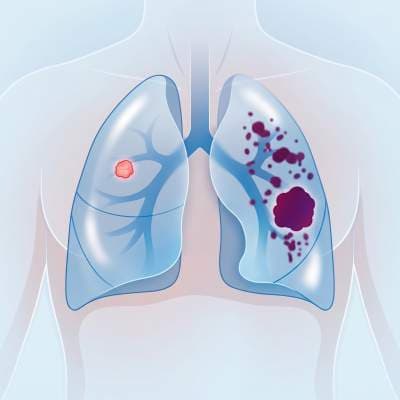
Sample Processing
Clinical specimens or qualified research model sources are prepared using standardized laboratory procedures.
- 2

Tumor Model Establishment
Organoid-based tumor models are established using study-specific culture workflows.
- 3
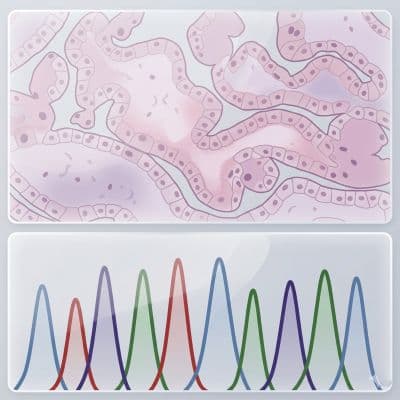
Quality Assessment
Models undergo predefined quality assessment and characterization prior to functional testing.
- 4
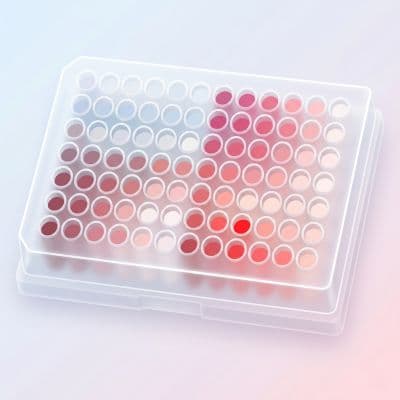
Functional Drug Testing
Therapeutic candidates are evaluated using standardized quantitative functional assays.
- 5

Quantitative Functional Report
Results are delivered as a structured scientific report with quantitative analyses and study-specific interpretations.
| 1→2 | Sample processing → model establishment | 2–3 weeks | |
| 3 | Quality assessment | 2–3 weeks | |
| 4 | Functional drug testing & readout | 2–3 weeks | |
| 5 | Report delivery | 1 week | |
| Total turnaround | 7–10 weeks | ||
Project timelines vary depending on sample characteristics, tumor type, and study requirements.
The Shift Toward Human-Relevant New Approach Methodologies (NAMs)
Regulatory agencies worldwide are increasingly encouraging the integration of New Approach Methodologies (NAMs) to improve the predictive value and human relevance of preclinical research. Organoid-based tumor models represent one class of NAMs that complements conventional experimental systems by enabling functional evaluation in physiologically relevant human tissue models.
Recent initiatives, including the U.S. FDA Modernization Act, evolving FDA guidance, and European regulatory efforts supporting NAM adoption, reflect the growing role of human-relevant approaches throughout modern drug development.
The 3DxCell Platform generates standardized, quality-controlled functional data using organoid-based tumor models to support translational oncology research and preclinical drug development.
- Human-Relevant Models
- Organoid-Based Functional Assays
- Standardized Study Documentation
See the Platform Working on Your Compound.
Start with a conversation: tell us about your drug candidate, and we'll outline the right organoid model for it.